+34 93 587 22 22 | WhatsApp : +34 628 512 590 grm@grmindustrial.es

Complete Guide to DIN and ANSI Standards in Industrial Piping

Confusing DIN and ANSI standards can lead to serious problems in industrial installations. Learn how to tell them apart to avoid costly mistakes and optimize your processes.

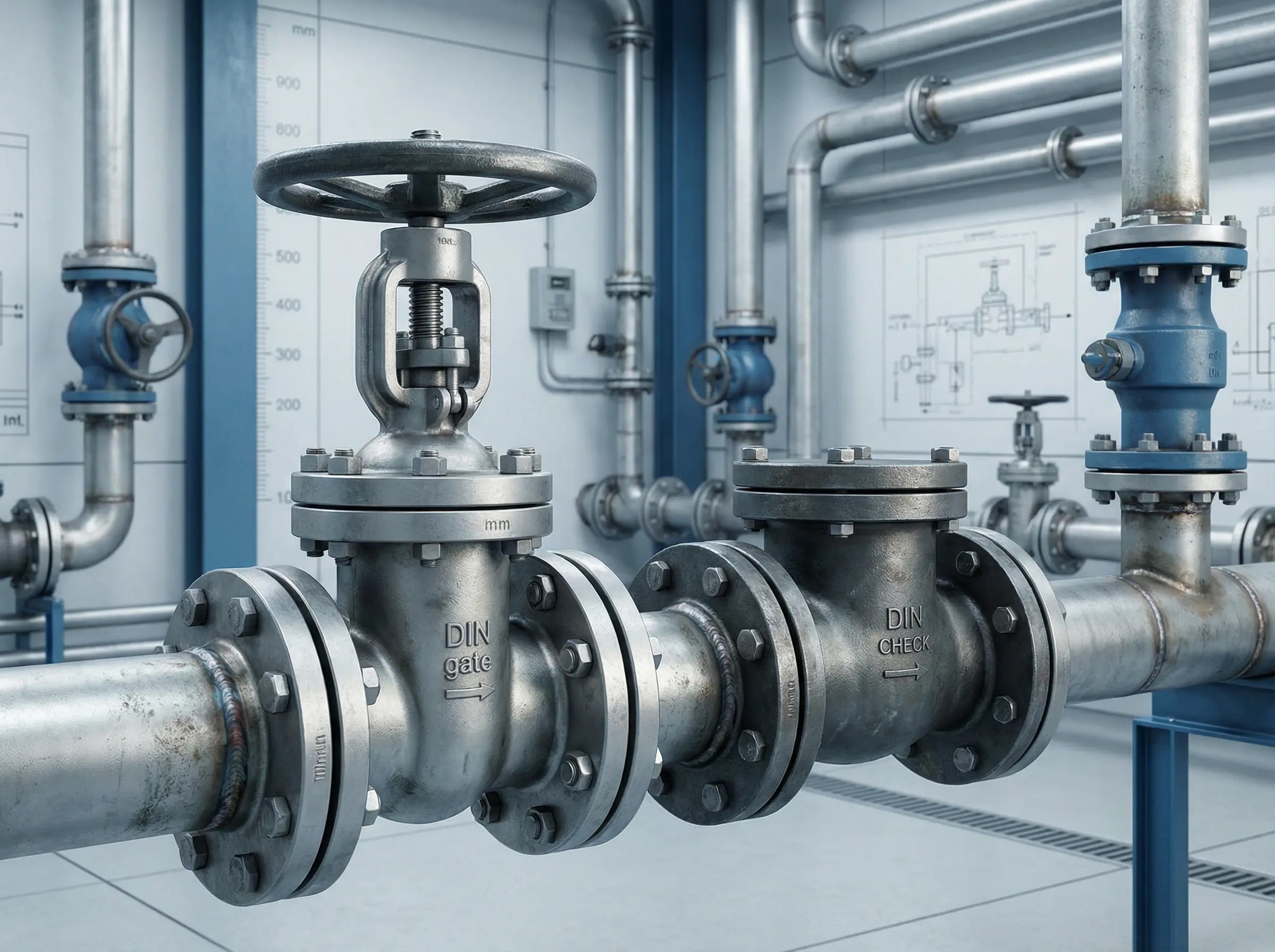
Origin and Characteristics of the DIN Standard

The DIN standard is widely used in sectors such as energy, the chemical industry, and high-precision industrial processes, where reliability and operational efficiency are non-negotiable. Its adoption is especially common in regions that work under the metric system, ensuring greater dimensional consistency and easier integration between components.

Additionally, the compact design characteristic of DIN connections helps optimize plant space, reduce unnecessary weight, and simplify maintenance in complex installations. This combination of dimensional accuracy, mechanical efficiency, and metric standardization makes the DIN standard an ideal solution for systems that require control, safety, and operational continuity.

Understanding the ANSI Standard

Features and Applications of the ANSI Standard


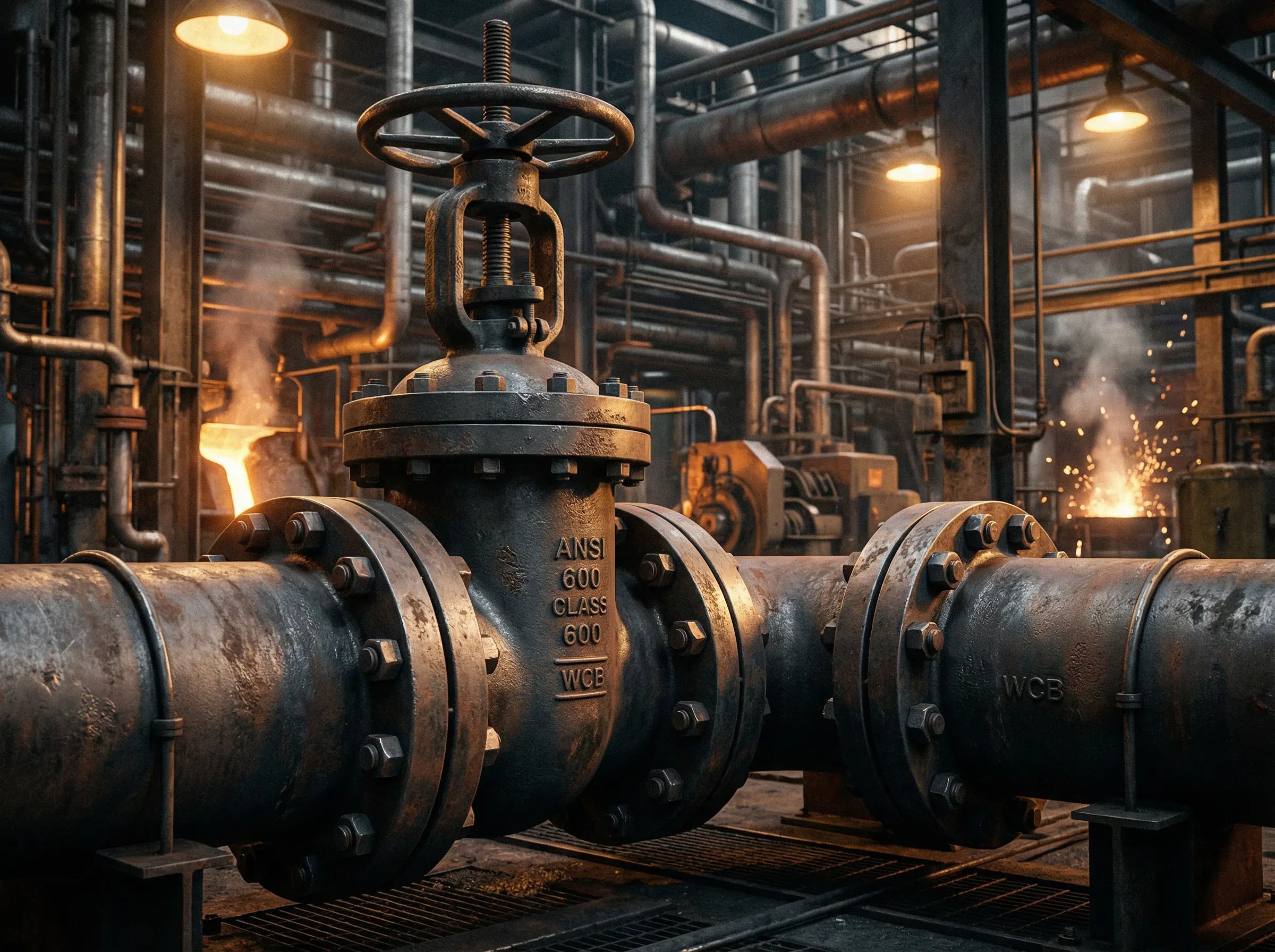
The ANSI standard is widely used in industries where mechanical strength, operational safety, and the ability to operate under high pressures and temperatures are essential. It is the predominant standard in the Americas and in sectors such as oil & gas, petrochemicals, energy, mining, and large-scale industrial processes.

One of its main characteristics is the use of the imperial system, along with pressure classification by Classes (150, 300, 600, among others), allowing components to be selected according to real operating conditions. In addition, ANSI flanges and valves feature a more robust design, with larger diameters and wider bolt spacing, designed to withstand demanding loads and harsh environments.

Thanks to this robustness and its alignment with ASME standards, the ANSI standard becomes a reliable option for critical installations where durability and international compatibility are key to ensuring process continuity.

Comparison of Standards: DIN vs ANSI

Dimensions

DIN: Measurements in millimeters

ANSI: Measurements in inches

Significant size differences

Position of Bolt Holes

DIN: Closer to the center

,

ANSI: Further away from the center

Variation in bolt pattern

Pressure Classification

DIN: Specific classifications

ANSI: 150, 300, 600, etc.

Differences in pressure resistance

Compatibility

DIN: Compatible with metric systems

ANSI: Compatible with imperial systems

Incompatibility between metric and imperial systems

Technical Incompatibilities

Why DIN and ANSI Are Not Interchangeable


Although at first glance a DIN flange or valve and an ANSI one may appear similar, the reality is that they are based on completely different standards. Each was designed under its own criteria for dimensions, pressure, and geometry, which makes them incompatible with each other and prone to causing problems if combined.

The result is clear: diameters do not match, bolt patterns differ, and pressure ratings are interpreted differently. Attempting to connect DIN and ANSI components can lead to leaks, misalignment, mechanical failures, and even operational downtime.

For this reason, correctly identifying the standard before selecting pipes, flanges, or valves is not a minor detail—it is a critical decision for safety and the proper operation of the installation.

Consult Our Experts in Valves and Flanges