


Optimize Your Industrial Processes by Choosing the Right Solution
Importance of Making the Right Choice
In the industrial field, choosing the right type of butterfly valve is essential to ensure efficient and safe system operation. An incorrect selection can lead to maintenance issues, operational inefficiencies, and additional costs. For this reason, it is crucial to understand the differences and applications of each type of valve.
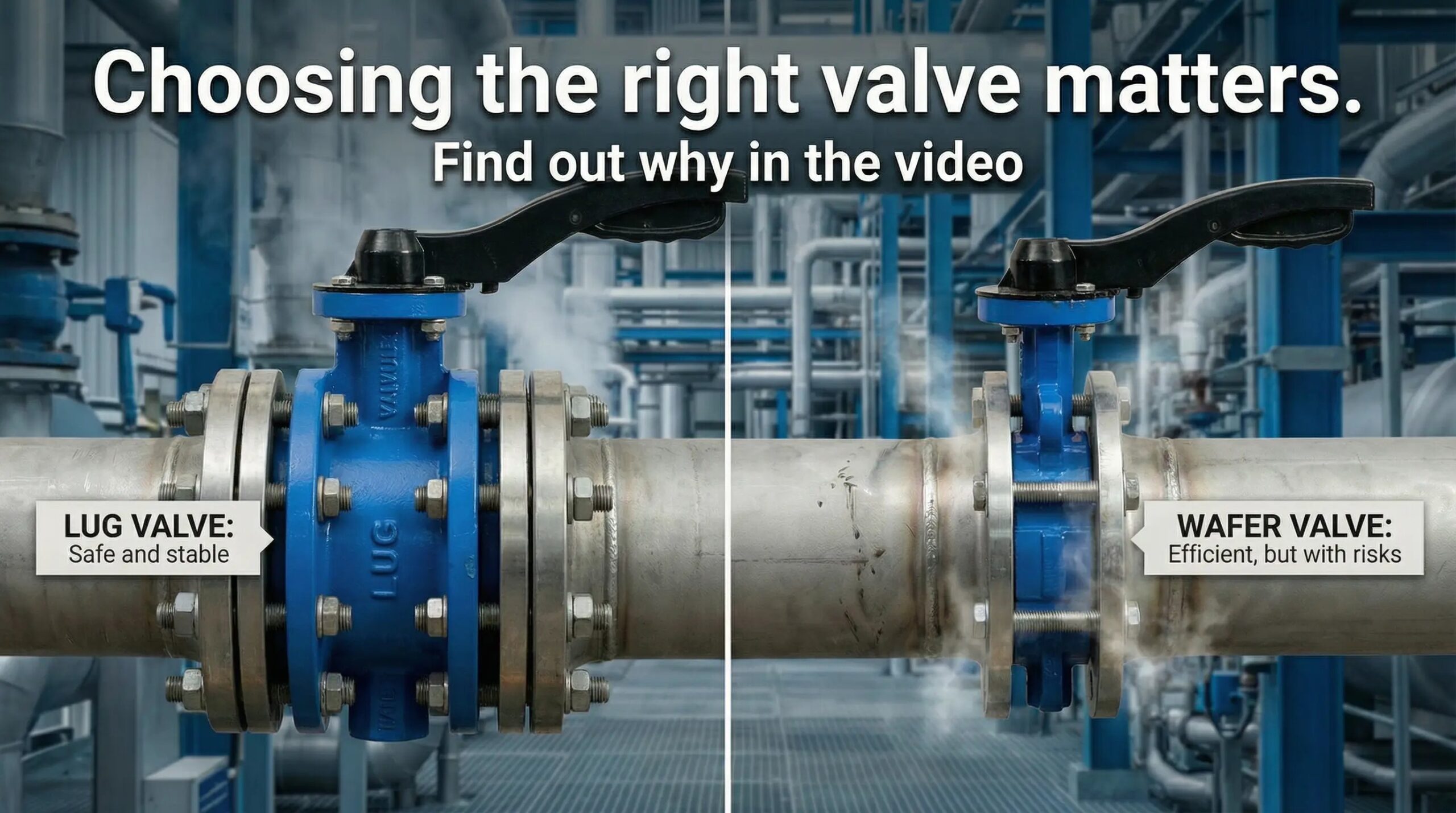
What is a Wafer Type Butterfly Valve?
- Easy installation and alignment between flanges.
- Reduced space and weight compared to other valve types.
- Ability to handle a wide range of fluids and pressure ratings.
- Generally lower installation costs.
What does installation involve?
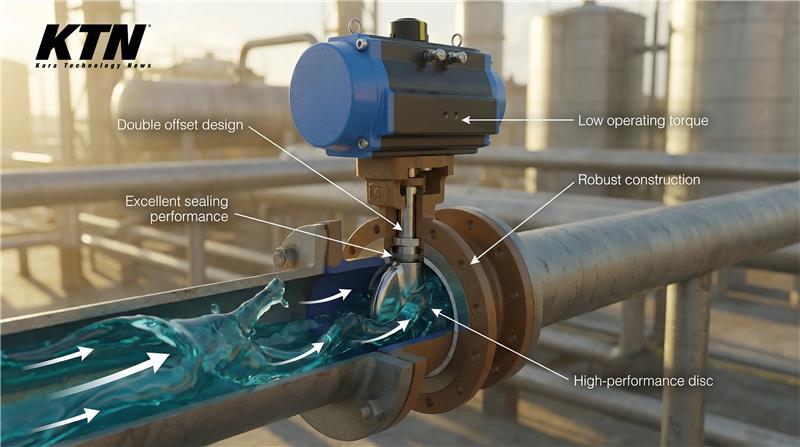
What is a Lug Type Butterfly Valve?
- Higher mechanical strength.
- Ease of maintenance without interrupting flow in the line.
- Versatility for high-pressure applications.
- Ideal for systems that require tight shut-off.
Installation Implications
Impact on Maintenance
Installing wafer-type butterfly valves in industrial systems involves several key maintenance considerations. These valves are well known for their compact design and their ability to be installed between flanges, which makes them easy to integrate into tight spaces. However, it is important to note that maintenance may require removing the entire pipeline section, resulting in longer operational downtime. In addition, their design can be more prone to leakage if not installed correctly, highlighting the importance of precise installation and the use of proper gaskets to ensure an effective seal.
Comparison between Wafer and Lug Valves
Wafer Type Butterfly Valve
- Ease of Installation 70%
- Cost-Effective 85%
- System Compatibility 92%
- Simplified Maintenance 75%
- Corrosion Resistance 80%
Lug Type Butterfly Valve
Lug valves are robust and versatile, suitable for applications where frequent disassembly is required without affecting the system.
- Versatility of Application 95%
- Initial Cost 40%
- Ease of Disassembly 65%
- Durability in Extreme Conditions 80%
- Adaptability to High Pressures 85%
Final Recommendation
How to Choose the Right Valve
